NC Healthcare for Freelancers & 1099 Contractors
Looking for self employed health insurance in NC? Explore ways to manage healthcare costs while protecting your family and your business budget.
Free consultation • No obligation
Are you looking for self employed health insurance in NC? If you are a freelancer, independent contractor, small business owner, or solo entrepreneur in North Carolina, finding an option that fits your family’s needs without draining your business revenue can be a challenge.
When you browse the federal Marketplace, premiums, deductibles, and doctor networks can make the decision feel overwhelming. Without an employer contributing toward your premium, healthcare becomes another expense you must manage yourself.
Affordable Healthcare Charlotte helps independent workers compare their options, understand the costs, and decide which approach fits their circumstances.
Fluctuating income can make Marketplace savings harder to estimate. Eligibility depends on your expected annual household income and other factors; fluctuating income alone does not disqualify you. As your business income changes, update your Marketplace application so your financial assistance reflects your situation.
Some plans require you to pay thousands of dollars toward services subject to the deductible. Certain preventive services and other plan benefits may be covered before you meet it. Compare the full benefits and out-of-pocket costs.
Some NC plans limit which doctors and hospitals are covered in network. Check your trusted providers and prescriptions before choosing a plan.
Premiums and available plans can change from year to year, affecting your business and household budget. Review your options at renewal.
Traditional insurance is one approach to managing healthcare costs. For some North Carolina business owners, medical cost sharing paired with Direct Primary Care may offer another way to budget for everyday care and eligible larger medical expenses. Compare the responsibilities and limitations alongside insurance before making a change.
Medical cost sharing is a community-based alternative to traditional health insurance. Members contribute toward eligible medical expenses under the program’s sharing guidelines.
Important: Medical cost sharing is not insurance. Payment of medical expenses is not guaranteed, and you remain responsible for your bills. Programs may limit or exclude pre-existing conditions and other expenses.
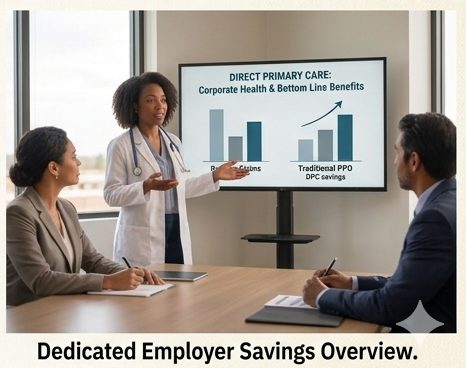
Pairing a health-sharing membership with Direct Primary Care can make routine care easier to access. DPC practices typically charge a flat monthly membership fee for specified primary care services. Depending on the practice, this may include office visits, direct communication, and virtual care.
Included services generally do not involve insurance billing or per-visit copays, but labs, medications, procedures, or other services may cost extra. DPC is not insurance and does not provide comprehensive hospital, emergency, or specialist coverage. Review the membership agreement and how you would pay for care outside the practice.

Your business may be able to pay or reimburse certain healthcare costs, but the tax treatment depends on how your LLC is taxed, the arrangement, and your eligibility. Some self-employed people qualify for a health insurance premium deduction. Do not assume health-sharing contributions or DPC fees receive the same treatment as insurance premiums; ask a qualified tax professional to review your situation.
Health-sharing programs set their own rules and may apply waiting periods, sharing limits, or exclusions for pre-existing conditions. Read the written guidelines for your specific condition before joining. ACA Marketplace plans cannot deny coverage or charge more because of a pre-existing condition.
Learn more from HealthCare.gov’s self-employment income guidance, the NC Department of Insurance’s guide to alternative plans, and the IRS guidance on the self-employed health insurance deduction.
If your current healthcare costs are straining your budget, explore what else may fit. We’ll help you compare monthly costs, access to care, eligibility, and financial responsibilities so you can make an informed decision for your family and your business.
Free consultation — no obligation